2026-08-27 SUNSHINE Engineering Team
5 Things to Check Before Buying a Military Tent (2026)

A military tent is a portable, modular shelter engineered for rapid deployment, repeated redeployment, and survival in environments that destroy ordinary camping gear. The label covers a wide range of products, from canvas General-Purpose (GP) tents still issued by many armed forces to inflatable airbeam shelters used by modern humanitarian and disaster-response teams. This guide focuses on what non-military buyers, including emergency response coordinators, humanitarian procurement officers, civil defense teams, and surplus gear resellers, should verify before signing a 2026 procurement contract. Five checks consistently separate a genuine MIL-SPEC military tent from a marketing claim: certification, materials and frame, intended use environment, vendor documentation, and total cost of ownership.
What Is a Military Tent (and What Is It Not)?
A military tent is engineered around three priorities: fast setup by a small team, durability under repeated field abuse, and compatibility with standardized accessories like power, climate control, and lighting. Frame systems typically use anodized aluminum or inflatable airbeams; covers range from heavy canvas to PVC-coated polyester. The defining feature is documentation: a true military tent ships with traceable specifications, batch numbers, and often a National Stock Number (NSN) or NATO Stock Number that ties it to a recognized specification.
The phrase is also heavily used in marketing. “Military-style tent,” “army surplus tent,” and “military-grade canvas” appear on product listings that have no MIL-SPEC certification, no government contract history, and no standardized testing record. These products may still be well-built, but they are not military tents in the procurement sense. The distinction matters most where certification, traceability, and post-sale support are at stake.
For civilian emergency-response buyers (disaster relief NGOs, hospital surge networks, and civil defense teams), the practical question is whether the tent performs reliably in the field. That is where civilian disaster relief emergency tents overlap with military tent engineering on rapid deployment, modular sizing, and weather resistance, even when they are not MIL-SPEC certified.
What Are the Main Types of Military Tents?
The most common categories in service today are:
- General Purpose (GP) Medium: the canvas workhorse, traditionally 16 × 32 ft, designed for squad-sized billeting. Heated, stove-compatible, and field-repairable with needle and thread.
- TEMPER (Tent Extendable Modular Personnel): the current U.S. military fabric-frame personnel tent, available in single and double widths. Modular end-caps allow multiple units to be connected into larger complexes.
- Modular command and operations tents: larger rigid-frame or airbeam structures used for field headquarters, communications, and staging areas.
- Medical and surgical shelters: climate-controlled enclosures sized for triage, examination, or operating capability. Tight seam standards, sealed floors, and HEPA-compatible filtration are common requirements.
- Logistics and storage tents: semi-permanent structures for supply staging, vehicle maintenance, or aircraft hangars.
Civilian emergency-response buyers often need smaller, modular versions of these same categories. A medical and healthcare support tent maps directly onto the military medical shelter category, while a logistics support tent covers supply staging and field distribution. The engineering principles (modular sizing, weather sealing, and rapid setup) overlap significantly, even when the formal certification path does not.

What Materials and Frame Systems Define Military-Grade Durability?
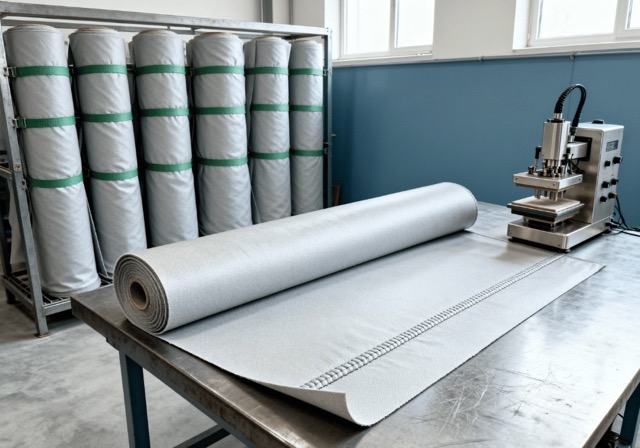
Two material families dominate. Heavy canvas (cotton or poly-cotton, 10 to 14 oz/yd²) breathes well, resists radiant heat from internal stoves, and is field-repairable with needle and thread. It is heavier when wet and slower to dry. PVC-coated polyester (typically 500 to 1000 denier) is waterproof by construction, lighter for the same footprint, and resistant to mildew, but it traps condensation inside if ventilation is not engineered correctly.
Frame systems fall into three camps. Rigid aluminum poles (anodized 6061-T6 or 7075-T6) are the legacy standard. They are field-repairable with spare sections and pins. Inflatable airbeams (drop-stitch or welded thermoplastic) reduce setup time from hours to minutes, but they require pumps, pressure monitoring, and patching kits in the field. Hybrid frames combine aluminum arches with inflatable cross-members to balance speed and serviceability.
For very large footprints (over 200 m²), high-strength coated fabrics paired with aluminum arches remain the dominant solution. Structures such as the inflatable hangar tent category apply similar coating technology to aviation and large-vehicle maintenance, though at commercial rather than MIL-SPEC certification levels.
Key specifications to compare across products: fabric weight (oz/yd² or g/m²), tensile and tear strength (N/5 cm), hydrostatic head (mm), UV resistance rating, operating temperature range, and wind load rating (km/h or mph). MIL-SPEC products publish these values in their documentation; commercial products often do not.
Why Are Military Tent Standards So Strict?
Three reference frameworks matter most for any military tent procurement:
- MIL-SPEC / MIL-STD (U.S. Department of Defense): covers fabric performance, structural load, environmental endurance, and packaging. A genuine MIL-SPEC tent traces back to a published specification sheet and a qualified vendor list. The U.S. Army Corps of Engineers historically develops engineering criteria for military tent standards and base-camp infrastructure.
- NSN / NATO Stock Number: a 13-digit identifier that allows any NATO member to reorder identical items. NSN-tagged products can be cross-referenced in NATO catalogs and audited for compliance.
- Sphere Standards and UNHCR shelter guidance: for humanitarian procurement, the Sphere Handbook sets minimum coverage area, climate suitability, and durability requirements for family shelters and collective centers. The UNHCR shelter programme provides tested product catalogues and technical guidance for refugee operations.
MIL-SPEC and NSN are typically required for active military procurement. For humanitarian and civilian emergency buyers, Sphere and UNHCR guidance is often more relevant, because it focuses on occupant welfare rather than combat survivability. Some products carry both: they meet MIL-SPEC fabric tests while also satisfying Sphere coverage minimums. Verify the documentation, not the marketing copy.

What Should Non-Military Buyers Check Before Signing a 2026 Contract?
Five checks consistently separate working procurement from buyer’s remorse:
1. Match the specification to the deployment environment.
A GP Medium canvas military tent performs well in temperate and cold climates where breathability prevents condensation. PVC-coated fabric is the better choice for tropical or coastal operations. Verify wind rating, snow load (if applicable), and operating temperature range against the deployment zone.
2. Demand third-party test reports.
Fabric weight, hydrostatic head, tensile strength, and flame retardancy are measurable properties. A vendor who can produce EN, ISO, or ASTM test reports on request is qualitatively different from one who only quotes a product brochure.
3. Inspect frame serviceability.
Rigid aluminum frames can be repaired with spare pins and pole sections in the field. Inflatable airbeams need patch kits, pressure gauges, and replacement valves. Confirm spare-part availability and pricing before purchase.
4. Calculate total cost of ownership.
Initial unit price is rarely the deciding number. Add training, transport, repair kits, spare covers, and expected service life. A canvas GP Medium may cost less upfront than an airbeam TEMPER, but the airbeam can deploy in minutes versus hours, which changes crew cost per deployment.
5. Confirm post-sale support and warranty.
Vendor presence matters. A tent that fails during a deployment needs replacement fabric, seam repair, or full unit replacement on a known timeline. Ask for written lead times, regional service centers, and warranty exclusions.
These five checks apply whether the buyer is a humanitarian NGO, a state civil defense agency, or a surplus reseller. They apply equally to true military tents and to civilian emergency-response shelters that adopt the same engineering principles without carrying MIL-SPEC certification.
How Do You Maintain a Military Tent for Years of Reuse?
Maintenance depends on the fabric family. Canvas requires drying before storage, periodic re-proofing with a water-repellent treatment, and inspection at seams, guy lines, and zippers. PVC-coated fabric tolerates wet storage better but degrades faster under UV if stored uncovered; a storage bag or covered bay is essential.
Before each redeployment, run a five-minute inspection: anchor points intact, no fabric punctures, no bent pole sections, all zippers functional, no valve leaks (for airbeams), and all accessories present. Replace small parts before they fail in the field.
Repair kits should match the tent type: canvas needs thread, needles, and patch fabric; airbeams need valve adapters and patch material rated for the specific TPU or PVC coating. Documentation should travel with the tent (manual, parts list, and proof of any third-party testing).
FAQ
What are military tents called?
The most common designations are General Purpose (GP) Medium, TEMPER (Tent Extendable Modular Personnel), and Modular Command tents. Within each category, specific sizes and NSNs identify the exact configuration.
What type of tent does the U.S. military currently use?
For personnel billeting, the U.S. military issues TEMPER tents in single and double widths. For command and operations, modular rigid-frame or airbeam shelters are standard. Specific unit assignments vary by branch and deployment cycle.
Are military surplus tents worth buying?
Surplus military tents can offer genuine MIL-SPEC fabric at lower cost, but they often lack spare parts, current documentation, or warranty support. For non-military buyers, surplus is a viable option when the deployment environment is well understood and the surplus source is reputable.
How do military tents differ from civilian emergency-response tents?
The engineering principles (modular sizing, weather sealing, and rapid setup) overlap significantly. The differences are typically in certification scope, traceability documentation, and any combat-survivability features (IR signature, ballistic reinforcement) that civilian buyers rarely need.
How do you maintain a military tent?
Match maintenance to the fabric: dry and re-proof canvas, store PVC out of UV, inspect frame components before each redeployment, and keep repair kits specific to the tent’s construction. Detailed records extend the service life of any military-grade shelter through multiple deployment cycles.