
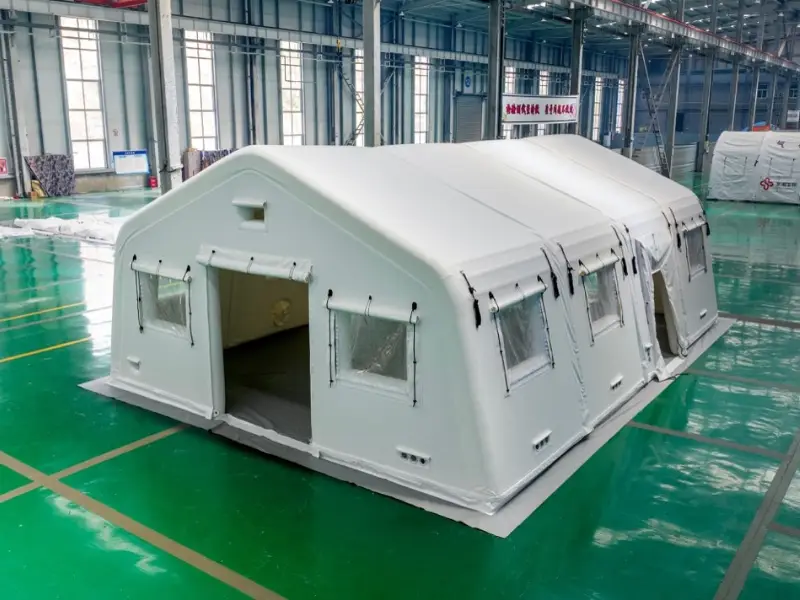
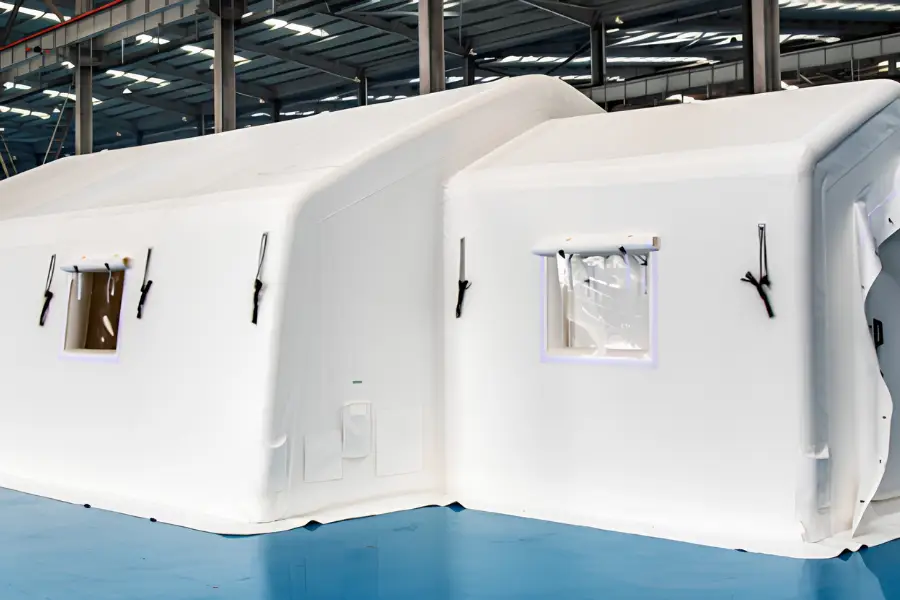
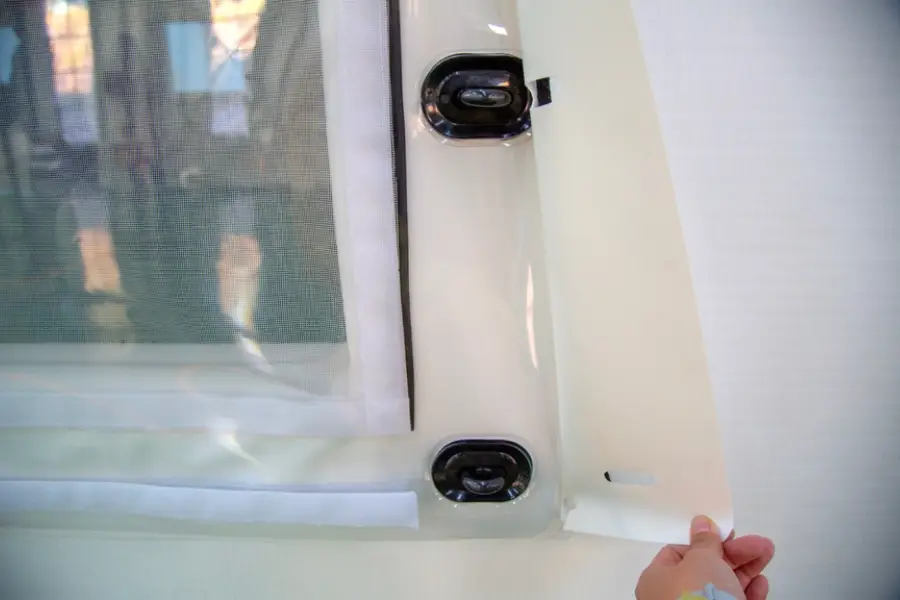
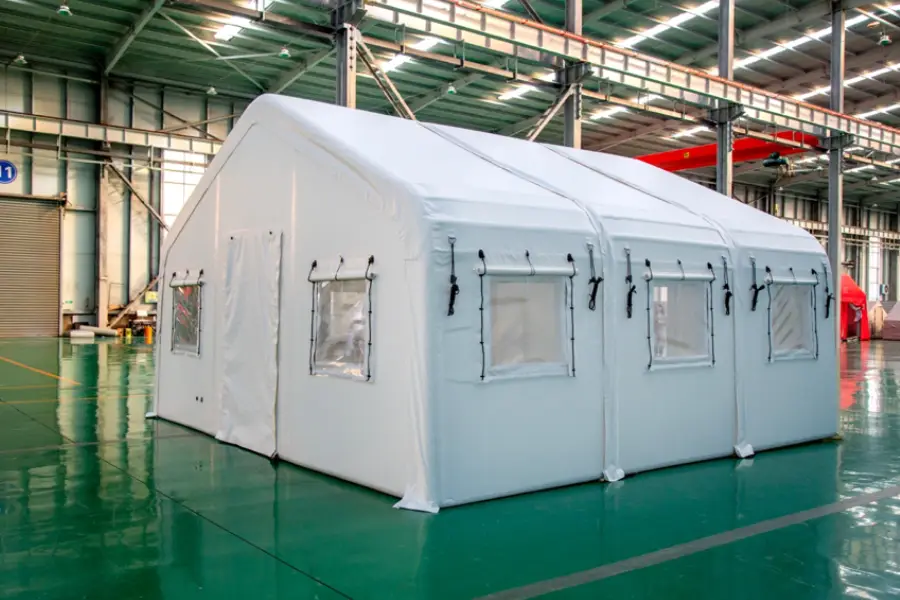
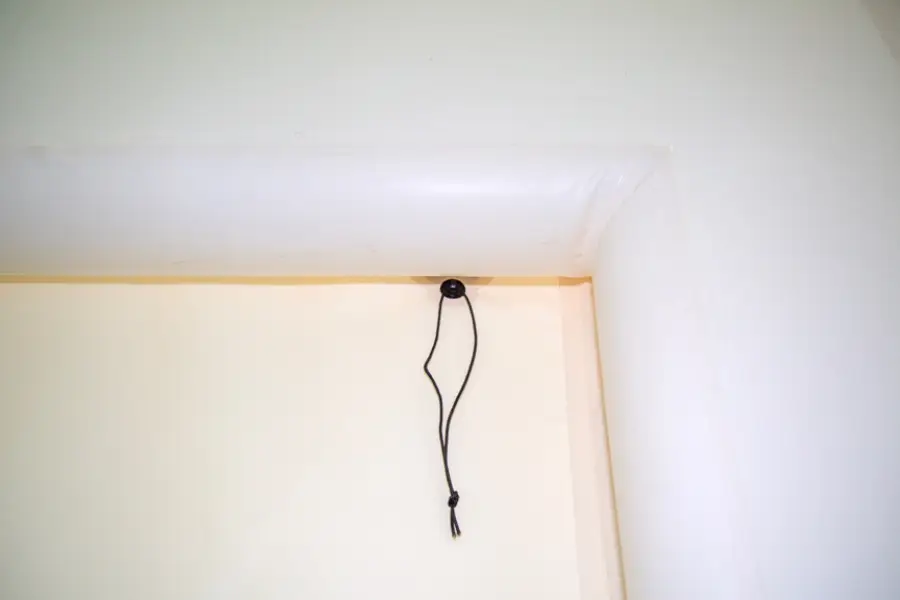
Deployable medical shelter
Medical and Healthcare Support Tents
Rapidly deployable space for field hospitals, triage stations and mobile healthcare operations.
Customizable to specification
- Working pressure
- 20–30 kPa
- Wind resistance
- ≥ Beaufort 10
- Snow load
- ≥ 30 kg/m²
- Re-inflation interval
- ≥ 15 days
Overview
Applications
Rapidly deployable field hospitals, triage stations, and mobile clinics for medical emergencies and healthcare support.
Key Features
Drop-Stitch Air-Wall Construction
Flexible Layouts
Durable & Weather-Resistant
Energy-Efficient Environment
* Customisable Options
Where medical teams deploy these shelters
Health authorities and emergency medical teams raise these shelters when casualty numbers outrun hospital capacity, after earthquakes, transport accidents or disease outbreaks. A typical layout separates triage, observation and treatment areas so stretcher traffic flows one way, with cots, lighting and consumables staged along the walls. The working pressure of 20 to 30 kPa holds a firm roof line even when doorways are in use all shift. Selection basics for inflatable clinical shelters are collected in What Is an Inflatable Shelter? Selection Basics.
In prolonged crises the shelters serve as maternal health posts, follow-up clinics and screening points inside displaced-person camps, sometimes far from paved roads. The re-inflation interval of at least 15 days suits remote postings, because a supply convoy can carry the pressure check along with restocked medicines. Camp health planners pair envelope performance with interior conditioning, and the insulated tent specifications guide covers the liner and heat-load questions field clinics face. Siting notes for semi-permanent health infrastructure appear in the shelter construction guidance published by UNHCR.
What the specification sheet tells you
The working pressure band of 20 to 30 kPa sits above general relief shelter practice, giving a stiffer frame that resists deformation when panels and doorways are in constant use. The band is a service range, not a target to exceed; gauged inflation keeps seam stress within design limits.
Wind resistance at or above Beaufort 10 corresponds to winds of roughly 24.5 to 28.5 m/s, the force of a full storm, which is why coastal and typhoon-season postings recur in this category. The snow load rating of at least 30 kg/m² suits highland and continental winter deployments. A re-inflation interval of at least 15 days stretches the service round beyond the relief-shelter pattern and matches fortnightly supervision visits. Wind, anchoring and exit planning interact, and the inflatable tent safety guide on wind, anchoring and exits walks through that interplay.
Questions procurement teams ask
Can the shelter operate through a typhoon-season posting?
The wind rating is at or above Beaufort 10, roughly 24.5 to 28.5 m/s. The figure assumes correct anchoring on a surveyed site, so soil type, anchor pattern and exposure to funnelled gusts between buildings decide the margin. Share the site wind profile with the SUNSHINE engineering team before committing to an exposed coastal plot.
How often will staff need to check the pressure?
The specified re-inflation interval is at least 15 days, which sets the service round in stable weather. Storm passages and temperature shifts move the working pressure within the 20 to 30 kPa band, and a brief gauge check after each weather event keeps the frame where it should be. Remote clinics can bundle the task with scheduled supply runs.
Can we run the shelter as an enclosed, heated treatment space?
Liner choice, heat source placement and airflow layout decide whether the interior holds treatment temperature, and these are project variables. European buyers should confirm the conformity route their tender follows, starting from the European Commission’s CE marking overview. For a definite heating or cooling package, confirm the configuration with the engineering team.
Specifications
| Product | Medical and Healthcare Support Tents |
|---|---|
| Specification | Deployable medical shelter |
| Item | Specification |
|---|---|
| Working Pressure | 20–30 kPa |
| Wind Resistance | ≥ Beaufort Scale 10 |
| Snow Load Capacity | ≥ 30 kg/m² |
| Re-Inflation Interval | ≥ 15 days |
| Applicable Altitude | Suitable for elevations up to 2000 m |
| Temperature Range | -25°C to +70°C |
Customization
All specifications — including dimensions, materials, coating, colour, and accessories — can be tailored to your project requirements. Flexible MOQ from prototype to full-scale production; standard custom projects take 15–30 days from design confirmation to sample delivery.
Field Shelter Solutions — common questions
Related products
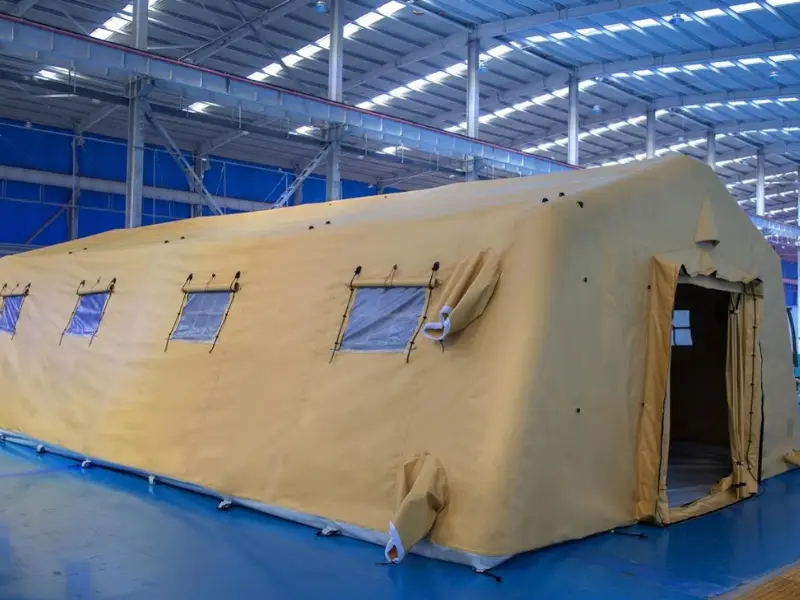
Protected field support shelter
Industrial Security Support Tents
Field support, tactical operations and protected storage for critical infrastructure and security teams.
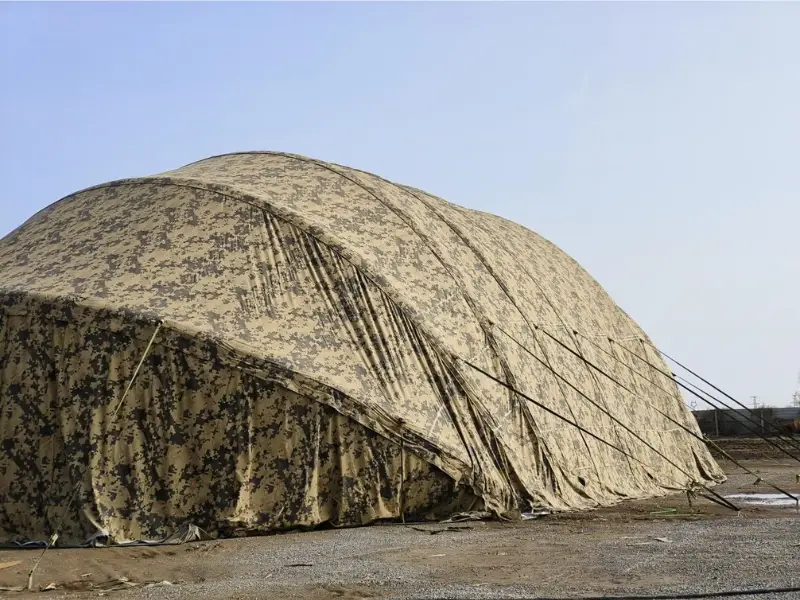
Large-span maintenance shelter
Large Maintenance Tent
Large inflatable workspace for maintenance, hoisting, assembly and temporary equipment protection.
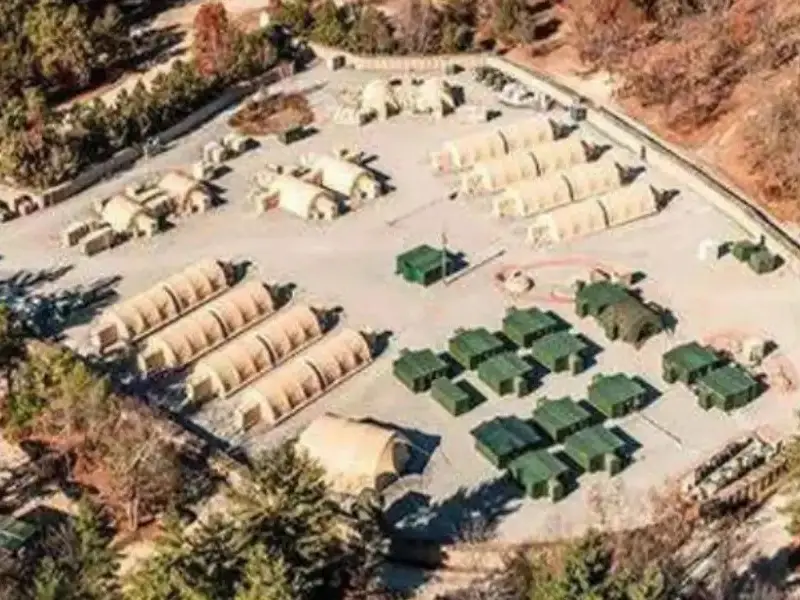
Modular surge-capacity shelter
Surge Capacity Tent System
A configurable multi-tent system for rapidly expanding operational, medical or accommodation capacity.