2026-09-07 SUNSHINE Engineering Team
Inflatable Rescue Boat Maintenance: A Field Checklist
Field inflatable rescue boat maintenance checklist: rinse, dry, inspect seams and valves, and store fabric away from UV damage season after season.

Inflatable rescue boat maintenance is the difference between a ten-year hull and a three-season write-off. An inflatable rescue boat maintenance routine does not need a workshop; it needs a checklist that follows the deployment calendar, because the two moments that age a hull fastest are the hour after use and the month in storage. This field checklist organizes the work into pre-launch, post-mission, quarterly, and off-season passes that any station can run with the crew it already has.
Why Maintenance Follows the Material
The hull is a coated fabric envelope, and its enemies are specific: ultraviolet light, trapped moisture, abrasion grit, and valve wear. The UV degradation overview explains the first enemy at the polymer level, and it is why storage discipline outranks every cleaning product on the market; the general inflatable boat reference covers the construction families whose seams and chambers the rest of this checklist protects.
Moisture is the quiet one. A hull rolled damp grows mold that stains and weakens the coating from inside the fold lines, and the damage is invisible until the fabric delaminates at a crease. Every later step in this routine exists mostly to prevent that one failure mode.
Pre-Launch: The Five-Minute Pass
Run the pre-launch pass on the boat before the truck leaves the station, not at the waterline. The pass has a fixed order for a reason: pressures first while the boat is cold, valves second while your hands are dry, seams third in full light, and inventory last against the bag list. Crews that formalize the order finish in five minutes; crews that improvise it discover the missing drain plug at the ramp.
Check chamber pressures against the rated range, listen at each valve for hiss, and hand-walk the perimeter seams looking for bubbles in the coating or thread exposure; a valve cap missing yesterday is a valve sheared today.
Confirm the floor is seated and the drain plug sits home. Verify the grab lines run full perimeter without fray, and count the paddles and the repair kit against the boat bag inventory, because the mission that needs the boat is the wrong moment to learn the kit moved to another shelf.
Post-Mission: Rinse, Dry, Inspect
Rinse the hull with fresh water after every salt or contaminated-water deployment, working from the keel outward and paying attention to valve bases and floor joints where grit collects. Avoid high-pressure washers at close range, because the stream can drive water past valve seals and start the internal moisture problem the rinse was meant to prevent.
Flood deployments add a decontamination note to the rinse. Water that carried fuel, sewage, or farm runoff leaves residues that attack coatings slowly, so a second pass with mild soap and a full fresh-water rinse belongs in the log for those missions, and the log entry protects the next crew that handles the hull.
Dry the boat inflated in shade, never in direct sun, turning it once so the underside airs out; the UV exposure you skip in this hour is the UV exposure the fabric keeps. While it dries, run the seam inspection: press along each weld with a flat hand and watch for pinhole bubbles after soap-wiping any suspect spot. Log the finding, because a pinhole repaired this week is a patch, and the same pinhole after a flood season is a chamber.
Quarterly: Valves, Floors, Pressure Holds
Quarterly work happens in the station with time on your side. Pull and lubricate valve cores per the manufacturer schedule, test each chamber with a gauge over a full day, and record the pressure drop; a chamber losing pressure across a quiet day has a slow leak that will announce itself at the worst possible launch.
Inspect floor panels and drop-stitch surfaces for flex spots that signal internal separation, and check the transom or mounting plates for crevice corrosion where fittings meet fabric. The quarterly log is also where accessory condition lands: pump hoses, pressure gauges, and the repair kit inventory all age on their own schedule.
The quarterly pass is also the right cadence for the trailer and handling gear. Bunk padding wears through and starts a chafe line on the hull bottom, tie-down straps harden and lose their give, and the pump that lives in the truck cab collects grit that its filter then feeds into your valves; one hour per quarter on the support equipment prevents the three most common garage-damage patterns.
Off-Season: Storage Decides Service Life
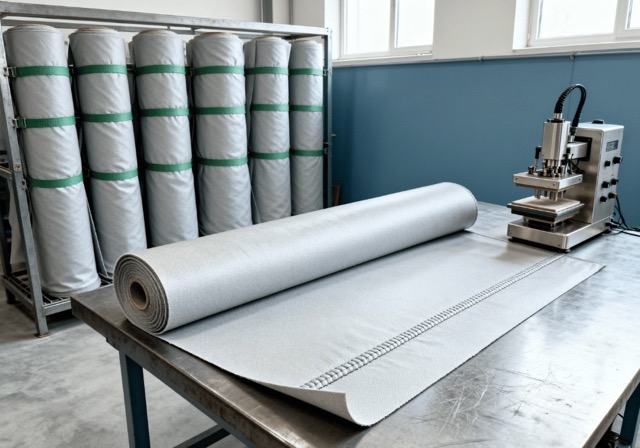
Clean and fully dry, then store the hull loosely rolled in a cool, dark, ventilated room, away from electric motors and heat sources that cook the coating. Never store a boat under tension or tightly folded on one permanent crease line; rotate the fold pattern between seasons so no single line carries the memory of the fabric year after year.
Cold-climate stations add one winter rule: boards and portable platforms like the rescue board store flat and dry, while hulls stay above freezing but away from radiators, because the cycle between freezing and heat is harder on coatings than steady cold. Document the storage location on the same log as the quarterly holds, so spring checkout starts from facts rather than memory.
Rotate the inventory at the same moment. The off-season pass is the natural date to retire aging paddles, restock patch material before it hardens in the tin, and re-pressurize the spare valves, so the spring checkout starts from a boat bag that matches its inventory card instead of surprising it.
Repair Boundaries and Records
Field repairs cover pinholes, small cuts, and valve-gasket swaps with the kit that ships with the boat, and every field repair goes into the log with date, location on the hull, and method. Seam failures, chamber separations, and transom damage go back to the manufacturer or a certified repair station; a rescue asset carries lives, and the repair boundary is a safety line, not a convenience.
Keep the maintenance record with the boat, not in a drawer. Format the log to survive audits: one row per event, with date, hours or deployments since new, the finding, the action, and the initials of the technician. Two pages of disciplined rows answer fleet-review questions that no recollection can, and they transfer value into the replacement decision years later.
When the fleet review asks whether a hull earns re-tubing or replacement, the log answers with pressure histories and repair counts, and stations that customize boats to specification, as the RSE program and the wider water rescue line support, can align the next build with the failure modes the log actually recorded.
FAQ
How often should we pressure-test the chambers?
Gauge-test every chamber quarterly and after any hard deployment. Log the ambient temperature with each reading. Pressure moves with temperature, and a chamber that reads low on a cold morning may be perfectly sound; the temperature column turns a misleading number into a usable trend and prevents the false repair ticket. A one-day pressure hold catches slow leaks months before they reach the waterline.
Can we store the boat inflated?
Short-term inflated storage in shade is fine between busy weeks. Long-term storage should be loosely rolled, fully dry, and rotated between fold patterns each season.
What cleaning products are safe?
Fresh water and mild soap handle nearly everything. Skip solvents and high-pressure washers, which attack coatings and drive water past valve seals.
When does a repair go back to the manufacturer?
Seam and chamber-separation damage, transom issues, and any structural failure leave the field-repair class and return to the manufacturer or a certified station. Field patches hold best on clean, dry, tension-free fabric, which is why the post-mission drying step doubles as repair prep: the same shaded, inflated hour that protects the coating also gives pinholes the surface a patch needs to bond for seasons rather than weeks.