
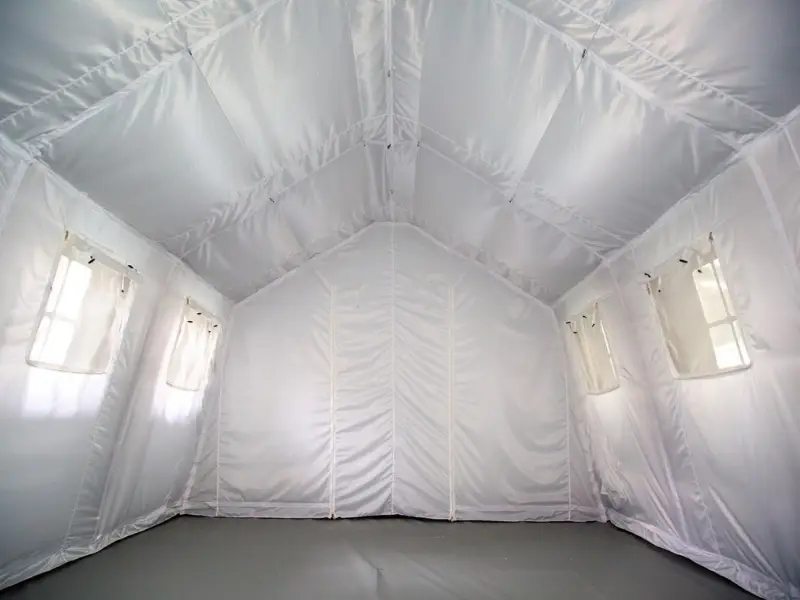
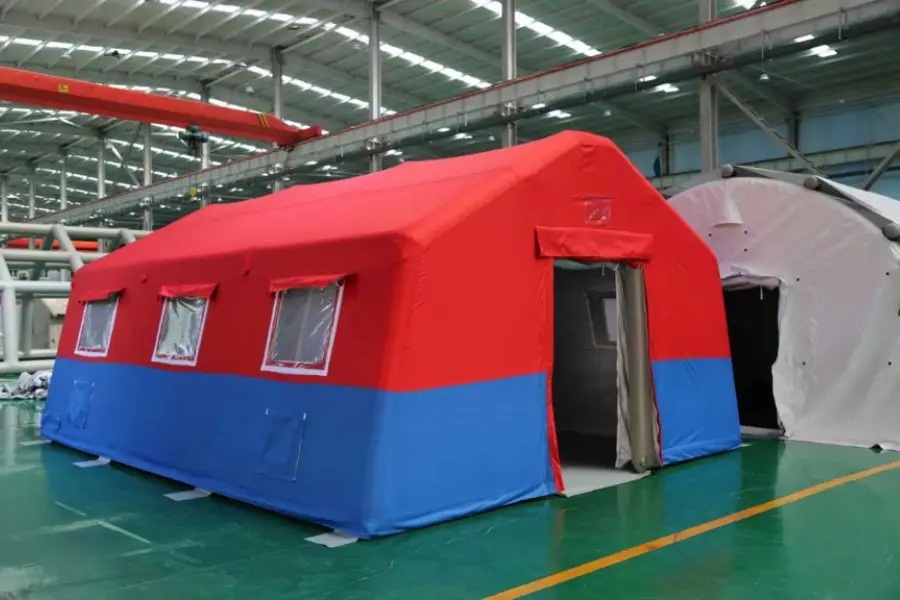
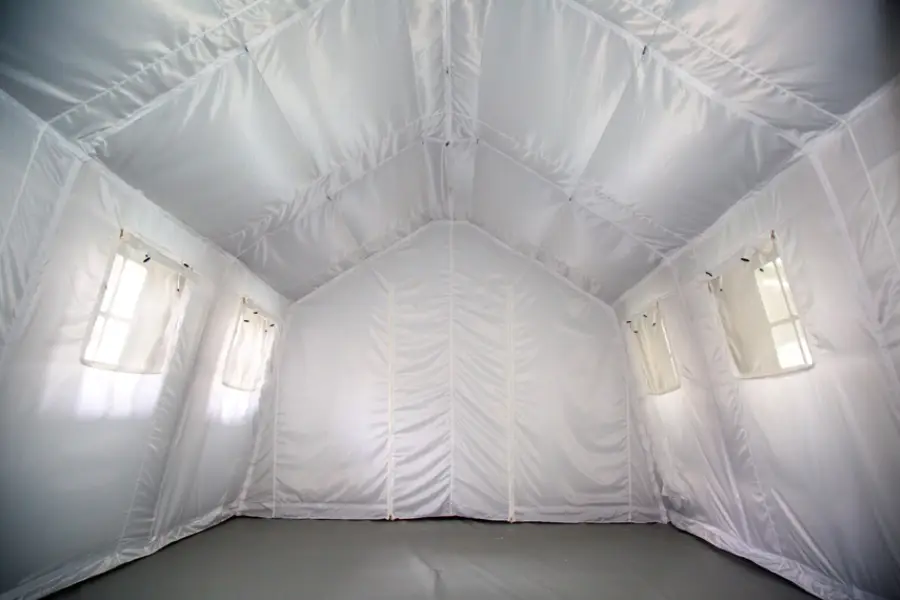
Emergency support shelter
Firefighting and Rescue Support Tents
Deployable command, equipment support and crew-rest space for firefighting and rescue operations.
Customizable to specification
- Working pressure
- 18–22 kPa
- Wind resistance
- ≥ Beaufort 8
- Snow load
- ≥ 20 kg/m²
- Re-inflation interval
- ≥ 7 days
Overview
Applications
On-site command, equipment support, and rest shelters for firefighting and rescue operations.
Key Features
On-Site Command Center
Equipment Storage Ready
Fire-Resistant Materials
Quick Setup / Mobility
* Personnel Rest Area
Deployment scenarios for fire and rescue brigades
Extended incidents such as wildland fires, industrial firegrounds and multi-day searches keep brigades on scene long after the initial apparatus arrives. These shelters give commanders a weather-tight post for radios, status boards and agency liaison, while a second unit serves as rehab where crews rotate through rest, rehydration and medical monitoring. The inflatable frame repacks onto existing response vehicles, so no specialised transporter joins the run. Brigades that also answer flood and boat calls can stage oars, engines and PPE under cover near the launch point, with equipment choices covered in How to Choose Swift Water Rescue Equipment.
Water rescue and flood response call for a different layout: the shelter becomes a launch control point, a dry store for rescue PPE and crew kit, and a casualty handover spot out of driven rain. Open banks and flood plains offer no wind shelter, which is why the wind rating on this category matters as much as floor area. Since brigades weigh fabric behaviour alongside structure, background on what FR fabric ratings mean and flame retardant fabric types and tests helps when drafting tender language.
Interpreting the spec highlights
A working pressure band of 18 to 22 kPa keeps the frame firm enough for radio tables and rehab cots without overstressing beams that crews inflate between taskings. Treat the band as a service range: inflate into it, log the gauge reading, move to the next task.
Wind resistance at or above Beaufort 8, roughly 17 to 21 m/s, covers the open foreshores and field edges where incident posts usually sit. The snow load rating of at least 20 kg/m² carries winter storm duty, and the re-inflation interval of at least 7 days matches a weekly visit from the station duty crew. Doctrine references such as NFPA 1670 and NFPA 1006 frame how departments integrate shelter assets into technical search and rescue operations.
Common buyer questions
Can the tent serve as a heated rehab shelter at winter incidents?
The envelope is rated for snow loads of at least 20 kg/m² and winds of roughly 17 to 21 m/s, so the structure itself handles winter weather. Interior heating depends on the appliance, the ventilation path and the liner, which makes it a configuration question. Confirm the intended heating setup with the SUNSHINE engineering team before the purchase order.
How close to the fireground can it be pitched?
The specification sheet carries no proximity or thermal exposure rating, so placement follows ordinary incident-ground controls: outside collapse zones, heat radiation distances and apparatus movement lanes. As a command or rehab asset the shelter belongs on the cold side of the cordon. The incident commander sets the final position.
What does setup demand from our crew?
Inflation into the 18 to 22 kPa band is straightforward with a gauged inflator, but crew size and cycle time depend on the model and the anchor pattern each site needs. Treat those figures as configuration items. The engineering team supplies setup details matched to the vehicles and staffing a department runs.
Specifications
| Product | Firefighting and Rescue Support Tents |
|---|---|
| Specification | Emergency support shelter |
| Item | Specification |
|---|---|
| Working Pressure | 18–22 kPa |
| Wind Resistance | ≥ Beaufort Scale 8 |
| Snow Load Capacity | ≥ 20 kg/m² |
| Re-Inflation Interval | ≥ 7 days |
| Applicable Altitude | Suitable for elevations up to 2000 m |
| Temperature Range | -25°C to +70°C |
Applications
Customization
All specifications — including dimensions, materials, coating, colour, and accessories — can be tailored to your project requirements. Flexible MOQ from prototype to full-scale production; standard custom projects take 15–30 days from design confirmation to sample delivery.
Field Shelter Solutions — common questions
Related products
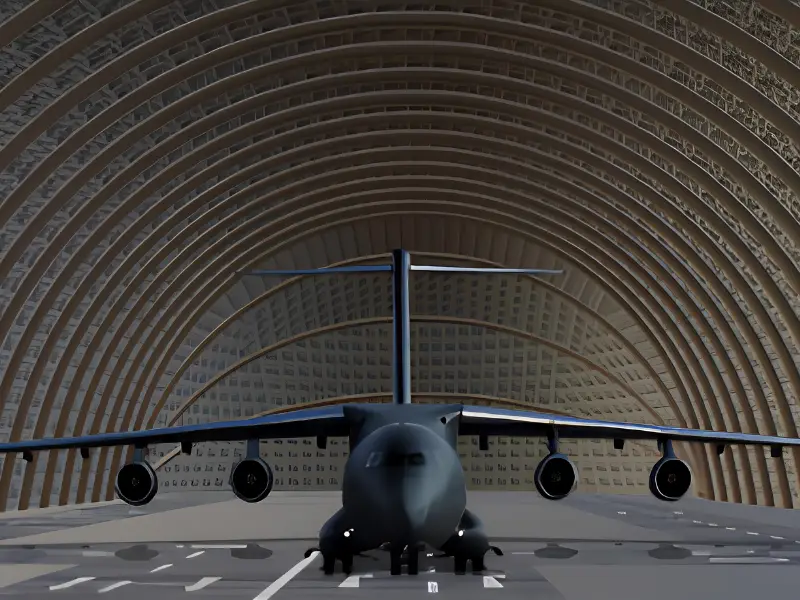
Large-span inflatable hangar
Inflatable Hangar Tent
Rapidly deployable environmental protection for aircraft, vehicles and other critical assets.
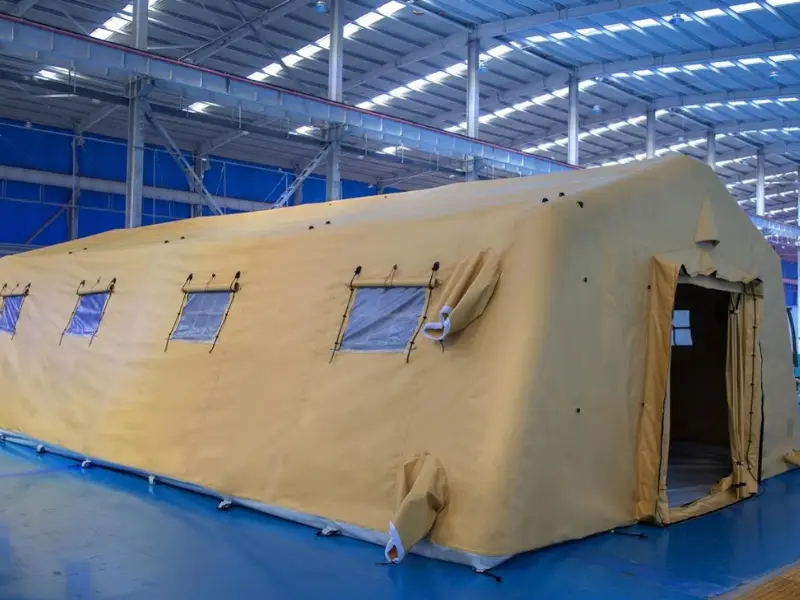
Protected field support shelter
Industrial Security Support Tents
Field support, tactical operations and protected storage for critical infrastructure and security teams.
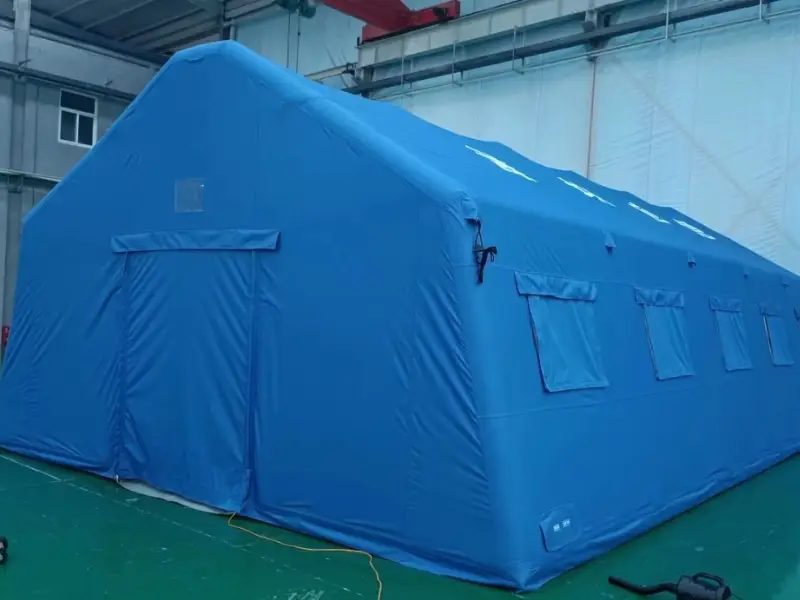
Rapid-deployment field shelter
Disaster Relief Emergency Tents
Temporary accommodation, relief distribution and command space for humanitarian response operations.