2026-09-18 SUNSHINE Engineering Team
Inflatable All Weather Tent: Deployment Planning
Wind, rain, heat, and cold change how an inflatable all weather tent deploys. Learn the planning habits that keep crews safe.
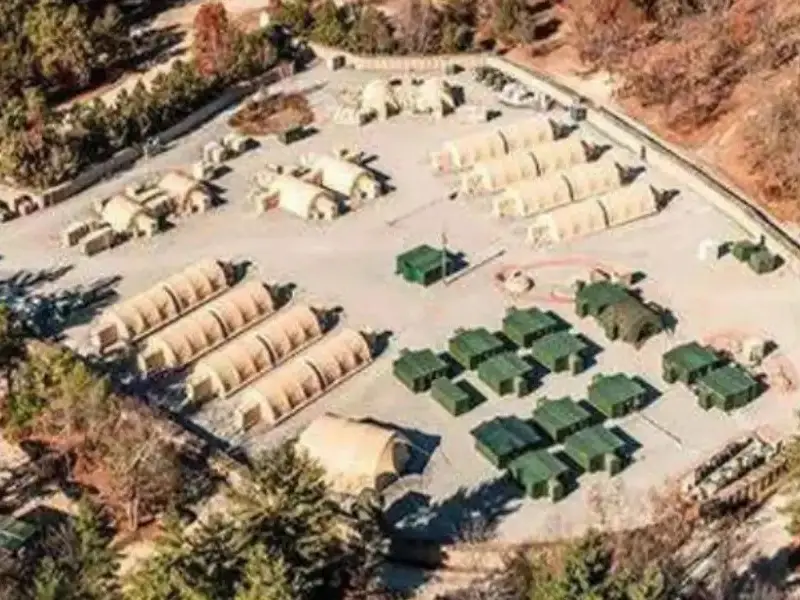
An inflatable all weather tent earns the middle of its name in the planning, not in the fabric. Every shelter faces weather; what separates an all weather deployment from a fair-weather one is a set of habits around season, site, anchorage, and crew protection that treat conditions as design inputs. The tent itself brings real advantages to that job, fast erection, a tight engineered envelope, and repackability, but the weather tolerance of a deployment is manufactured by its planning, and this article collects the habits that consistently produce it.
What All Weather Means on a Spec Sheet
Start by refusing the phrase as a specification. Weather resistance decomposes into separate claims: wind behavior under a defined anchorage, water resistance of the fabric and seams, snow and rain shedding from the envelope shape, temperature tolerance of materials and fittings, and UV endurance for long stands. A credible all weather specification names each claim separately, ties wind behavior to anchorage and site class rather than to a bare number, and states the maintenance the envelope needs to keep its ratings in service, and buyers should read any datasheet that merges all of it into one phrase as a prompt to ask better questions.
The rating lives in the system, not the membrane. The same fabric that shrugs off a rainy autumn inspection visit can fail a winter storm if anchorage was sized for summer ground, or if a valve stiffens in cold that was never checked, so the specification the program actually relies on spans fabric, anchorage, structure, and procedures together. Suppliers such as the field shelter line present the system as a system, formats from carry-size to large spans with their anchorage and service rules, and that framing is what an all weather purchase decision needs.
Seasonal Planning and Weather Windows
Deployment timing is a weather decision. Official seasonal guidance, such as the Met Office advice on camping and temporary structures in wind and rain, exists because conditions have seasons, and the same logic applies to response programs: erection windows are chosen, monitored, and if necessary abandoned, with the forecast rather than against it. A weather window with margin means inflation happens with forecast headroom, and the program holds a fallback date instead of gambling the envelope on a closing window.
Season changes the maintenance file as well as the risk. Winter stands need cold-weather checks on fittings and pressure behavior, summer stands need UV and heat exposure management on fabric and air, and shoulder seasons need drainage attention around the pad. Writing the season into the deployment plan, not just the date, gives the crew a maintenance rhythm that matches what the sky is actually doing, and the same rhythm survives into the next deployment because it lives in the handover file.
Published Envelope Ratings for Wind, Snow, and Pressure
All weather decomposes into numbers the moment a datasheet is honest about it. Two published tent classes show what separated claims look like, and the gap between their rows is the buying lesson.
| Tent class | Working pressure | Wind resistance | Snow load | Re-inflation interval |
|---|---|---|---|---|
| Disaster relief emergency tents | 18-22 kPa | ≥ Beaufort 8 | ≥ 20 kg/m² | ≥ 7 days |
| Medical health support tents | 20-30 kPa | ≥ Beaufort 10 | ≥ 30 kg/m² | ≥ 15 days |
The medical class buys its margins in a currency the table makes visible: a higher working pressure band, 20-30 kPa against 18-22 kPa, carries the wind rating from Beaufort 8, roughly 17 to 21 m/s at the floor, up to Beaufort 10, and the snow rating climbs from 20 to 30 kg/m². The relief class answers with a shorter service choreography, a re-inflation interval from 7 days where the medical format stretches to 15, so the tender writer trades crew attention against structural headroom with the four lines visible. How wind classes behave across a full stand is its own subject, and the inflatable tent wind resistance field guide covers it; long-stand programs should also read the UNHCR guidance on sustainable shelter construction against their durability assumptions, and Gulf deployments cross-check structural expectations with the GSO Gulf Building Code.
Anchoring and Site Discipline
Anchorage is where weather respect becomes physical. Wind load is the controlling design case for most temporary envelopes, and it transfers to the ground through anchors whose holding power depends on soil, saturation, and frost state, which is why the anchorage plan is site-specific and season-specific rather than generic. The HSE venue and site design guidance treats ground conditions, wind exposure, and the underground risks of anchoring as the core of a temporary structure review, and an all weather program adopts that review as a standing document, revisited when the ground changes state with the season.
Site discipline keeps the rating honest in service. Guy paths stay clear and marked, anchors get inspected after the named storms and at set intervals, snow and water are shed before they accumulate into loads the envelope was not designed to carry, and repairs happen on evidence rather than on schedule convenience. Programs that treat these as checklist items rather than judgment calls keep their envelopes in rated condition through stands that would quietly degrade a less disciplined deployment.
Reading the Temperature Window Into the Plan
The published formats carry a wide operating window, -43°C to +50°C across the logistic support, large maintenance, and hangar classes, and the number is easy to misuse. It describes what materials and fittings tolerate in service, not what a crew tolerates or what thawed ground will hold, so the deployment plan still writes its own seasonal limits inside the envelope. Storage is a second, wider window, -55°C to +70°C, and it governs the depot, the vehicle bay, and every month the tent spends rolled rather than standing.
Two habits convert the windows into procedure. Log the temperature regime of every stand next to the pressure record, because a tent that has lived a deep-winter week and a heat-wave week has served two different lives that inspections should treat differently; and schedule depot checks against the storage window before summer peaks, since a rolled tent at +70°C sits at the edge of its published tolerance while looking quiet on a shelf. The interior half of the window, liners and heat loads in the cold months, is worked through in the insulated tent specs guide, and the anchorage side of the same season belongs to the wind, anchoring, and exits safety guide.
Hot and Cold Weather Operations
Temperature changes how the tent behaves and how the crew works inside it. Cold stiffens fabrics and fittings, changes pressure behavior in the tubes, and demands crew rotation and warmth planning during erection and strike; heat stresses UV exposure, interior temperature management, and expansion behavior in the pressurized system. Neither defeats the format, and formats like the medical support tents and industrial security support tents serve through full seasons in their roles, but both demand that the operating procedures name the temperature regime they were written for.
Planning for people completes the all weather claim. Ventilation strategy in heat, heating and insulation strategy in cold, condensation management in the shoulder seasons, and lighting for short winter days are all part of the shelter system the mission actually experiences. The surge capacity tent system shows the modular logic that lets programs scale covered space as conditions and mission change, and an envelope whose interior discipline matches its exterior discipline is what the phrase all weather honestly describes.
Keep the weather file current through the stand. Log the storms the structure rode out with dates and inspection results, record every repair and pressure adjustment, and review the file at each season change, because that running record is what lets the next deployment planner inherit conditions instead of guessing at them, and it is the evidence an insurer or auditor will ask for first.
FAQ
Is any inflatable tent truly usable in all weather?
No shelter is immune to every condition, and honest specifications decompose the claim into wind, water, temperature, and UV behavior. All weather in practice means the deployment plan matches the envelope to the season, site, and anchorage.
How much wind can these tents take?
Wind behavior depends on the structure, anchorage, and site, and it is documented per configuration, not per format. The number that matters is the one tied to your anchorage plan and ground conditions from the supplier documentation.
What changes in winter deployments?
Cold-weather checks on fittings and pressure, crew warmth and rotation, snow shedding discipline, and anchorage reassessment for frozen or saturated ground. Winter stands succeed on procedures written for winter, not summer files.
How do I keep the fabric rated through a long stand?
Scheduled inspections, prompt repairs, UV management in summer, and keeping anchorage and drainage maintained. The maintenance rhythm in the handover file exists to preserve the ratings the envelope shipped with.