2026-09-14 SUNSHINE Engineering Team
What Is an Inflatable Shelter? Selection Basics
An inflatable shelter replaces rigid poles with air beams and deploys in minutes. Learn what an inflatable shelter is and which specs matter.

An inflatable shelter is a fabric structure whose frame is air: sealed tubes inflate into arches that carry an engineered membrane, replacing the poles, bolts, and scaffolding of framed tents. Emergency programs reach for the format when minutes matter, when the site has no crane, and when the structure must repack onto a truck at the end of the mission. The real question for a buyer is rarely whether air-beam technology works; it is whether a specific program’s ground, weather, and duty cycle match what an inflatable shelter can honestly carry. That question answers from a short list of checks, and this article walks through them in the order a deployment planner would use.
How an Inflatable Shelter Is Built
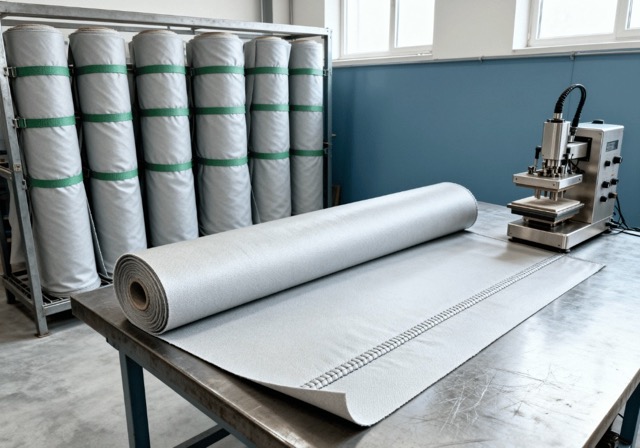
The load path is simple to state and demanding to build. A woven technical fabric, typically a coated polyester, is cut and welded into a membrane, and the same material family forms the inflated tubes that become the frame; the ranges and constructions used across the functional materials line show how denier, coating, and finish map onto structural duty. Pressurized air inside those tubes replaces aluminum or steel: a tube that is stiff enough at working pressure behaves like a beam, and the membrane between tubes turns the assembly into a weather-tight envelope.
Two families dominate the field, and they behave differently on site. Low-pressure systems run large-diameter tubes at modest pressures, tolerate small leaks, and repair with simple kits; high-pressure systems run slimmer tubes at higher pressures and buy stiffness and span in exchange for stricter pressure discipline. The high-pressure inflatable shelter whitepaper walks the engineering behind the high-pressure variant, and knowing which family a quoted shelter belongs to is the first thing a buyer should ask, because the answer changes pumps, spares, and crew training.
Where the Format Wins
Deployment speed is the headline advantage, and it compounds. A shelter that inflates from a packed roll with a small crew and a pump removes the vehicle crane, the tool inventory, and the assembly time of framed structures, which is why the format appears across the field shelter product line in disaster relief, medical surge, logistics, and maintenance roles. Speed also changes planning: a structure that a small team can raise can sit closer to the point of need, inside a compound, or at the edge of a work zone that a crane could not enter.
The second advantage is the interior. Inflated arches carry load at the membrane, so the floor plan clears itself of interior columns and cross-bracing, which matters for medical wards, assembly tables, vehicle bays, and command rooms. Fire-service support is a documented use case, and products such as the firefighting and rescue support tents exist specifically to put a column-free envelope next to an incident. Humanitarian practice follows the same logic: the UNHCR emergency shelter guidance treats rapid, staged shelter as a core response instrument rather than a convenience.
Transport and storage close the case for mobile programs. A deflated shelter packs into rolls and cases that fit standard vehicles and warehouse shelving, so the same unit can move between regional depots, training grounds, and incident sites without dedicated logistics. Deflation discipline matters as much as inflation: fabric dried, folded to the manufacturer’s pattern, and inspected before repacking keeps the next deployment as fast as the first, and programs that treat repacking as part of the mission rather than an afterthought report fewer surprise repairs at the worst possible moment.
What to Evaluate Before You Deploy
Start with the ground and the sky. Site selection for any temporary structure weighs ground bearing, wind exposure, drainage, and the underground services that anchoring could strike; the UK Health and Safety Executive publishes venue and site design guidance that formalizes these checks for temporary structures. An inflatable shelter concentrates load through its anchorage and base, so a site survey that would be prudent for a frame tent is mandatory here, and the anchoring plan belongs in the deployment paperwork rather than in improvisation on arrival day.
Standards come next. Larger tents fall under structural safety documents such as BS EN 13782, which covers design, calculation, manufacture, installation, and maintenance requirements for temporary structures including tents above a defined size threshold; a procurement spec that names the standard, and a supplier who can speak to it, converts brochure claims into an auditable basis. Ask where the shelter’s structural documentation sits relative to that framework even when the project size sits below the threshold, because the discipline transfers.
Duty cycle closes the evaluation. A shelter bought for weekly training differs from one bought for seasonal disaster response, and the honest questions are how many inflation cycles the membrane and valves are rated for in service, what the pressure-loss tolerance and top-up schedule look like, and which spares travel with the unit. Programs that rehearse inflation before the first real deployment consistently find the failure points while they are cheap.
What Real Specification Numbers Look Like
Adjectives do not survive a procurement review, numbers do. A working pressure band, a wind rating, a snow load, and a re-inflation interval turn a brochure claim into a checkable object, and the disaster relief emergency tent line carries all four. The table below shows that set as specified for the relief role.
| Parameter | Specification |
|---|---|
| Working pressure | 18-22 kPa |
| Wind resistance | Beaufort 8 or higher, roughly 17 to 21 m/s |
| Snow load | 20 kg/m² or higher |
| Re-inflation interval | 7 days or longer |
Each line answers a different procurement question. The pressure band defines the pump, the gauge, and the top-up routine the program carries; the wind rating sets the anchoring case the supplier has to document; the snow load decides whether the envelope can stand through a storm week in a snow climate. The re-inflation interval reads as a leak-rate statement, because a shelter that holds working pressure for seven days or more was welded to a tolerance.
Buyers can carry the checklist from Disaster Relief Tents: Specs That Matter When You Buy into the supplier meeting. Agencies that stage shelters inside coordinated responses find shared vocabulary in the Global Shelter Cluster coordination toolkit.
Standards and Humanitarian Practice
Emergency buyers rarely work alone, and the frameworks they report to already describe shelter quality. The Sphere Handbook dedicates a shelter and settlement chapter to minimum standards for covered space, environment, and safety in humanitarian response, and procurement language increasingly reflects it. A commercial shelter that documents covered area, anchoring, and fabric behavior gives program officers the vocabulary these frameworks expect.
Treat standards as comparability tools rather than paperwork. Two suppliers quoting the same footprint can differ in fabric, anchoring method, and pressure philosophy, and a spec sheet aligned to recognized frameworks makes those differences visible on paper instead of in the field. Where a program answers to donors or audits, that traceability is part of the product, and the emergency relief applications page shows the deployment contexts where this rigor pays off.
Turning Ratings Into Acceptance Checks
A rating protects a program only if somebody checks it at handover. Read the beam pressure on a gauge against the quoted band and log the value as the baseline; walk the anchorage against the documented wind case; set the top-up calendar from the re-inflation interval before the unit returns to storage. A shelter that passes these checks enters service with a file, and the file is what the next crew inherits. The wind side of that discipline continues in Inflatable Tent Wind Resistance: A Field Guide.
Handover checks scale with the program. Relief agencies plan against the event profiles outlined in the IFRC overview of what counts as a disaster, and a documented handover is what stands between a specification and an assumption. Construction and settlement programs can align the file with UNHCR guidance on sustainable shelter construction; a two-person team gets the same value from a one-page log sheet.
FAQ
How quickly can an inflatable shelter be deployed?
Small units inflate with a small crew in minutes once the site is prepared; larger multi-module layouts take longer because anchoring and services dominate. Packed transport and rehearsed crews matter more than raw inflation time.
Can an inflatable shelter handle wind?
Wind performance depends on design, anchoring quality, and site exposure, not on the inflation concept alone. Structural guidance for temporary structures, a real anchoring plan, and manufacturer wind documentation belong in the decision.
How is it different from a framed tent?
An inflatable shelter replaces rigid poles with pressurized tubes, trading assembly labor and tooling for pressure management. Framed tents favor long-term installs where structure weight does not matter; air-beam shelters favor speed and repacking.
What maintenance does it need in service?
Pressure checks, valve and fitting inspection, fabric cleaning and patching, and dry repacking form the routine. Suppliers should state the service items and spares list with the quote so maintenance is planned, not discovered.