2026-09-09 SUNSHINE Engineering Team
Aluminum Frame Tent vs Inflatable Shelter Compared
Aluminum frame tent vs inflatable shelter compared on setup speed, weight, wind behavior, repair, and total cost for field programs.
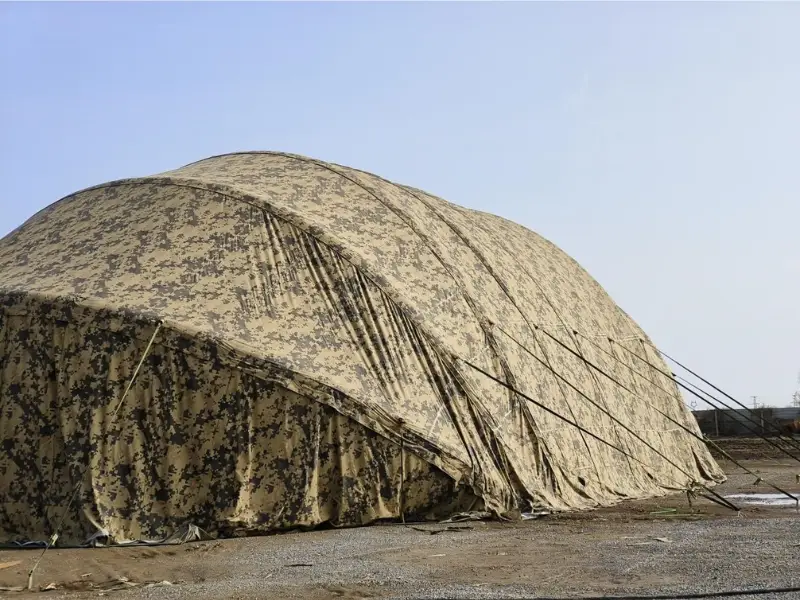
An aluminum frame tent vs inflatable shelter comparison is really a deployment-profile question wearing a materials costume. The aluminum frame tent carries its structure in rigid extruded members locked into geometry; the inflatable shelter carries its structure in pressurized fabric tubes that stiffen under air. An aluminum frame tent vs inflatable shelter decision therefore resolves along deployment dimensions, setup speed, transport weight, wind behavior, repair logistics, and total cost, and this comparison works each dimension in turn before collapsing the whole choice into one judgment sentence per program type.
Two Structures, Two Physics
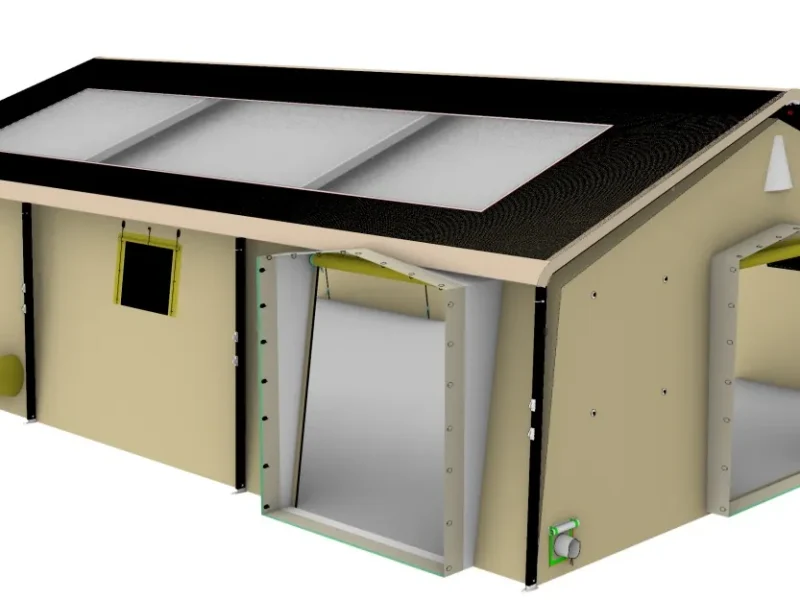
The aluminum frame is a classic beam-and-joint structure: members carry bending loads, joints carry the connections, and the fabric takes weather duty only. The aluminium reference covers why the alloy family dominates portable structures, a high strength-to-weight ratio with corrosion behavior that tolerates field life.
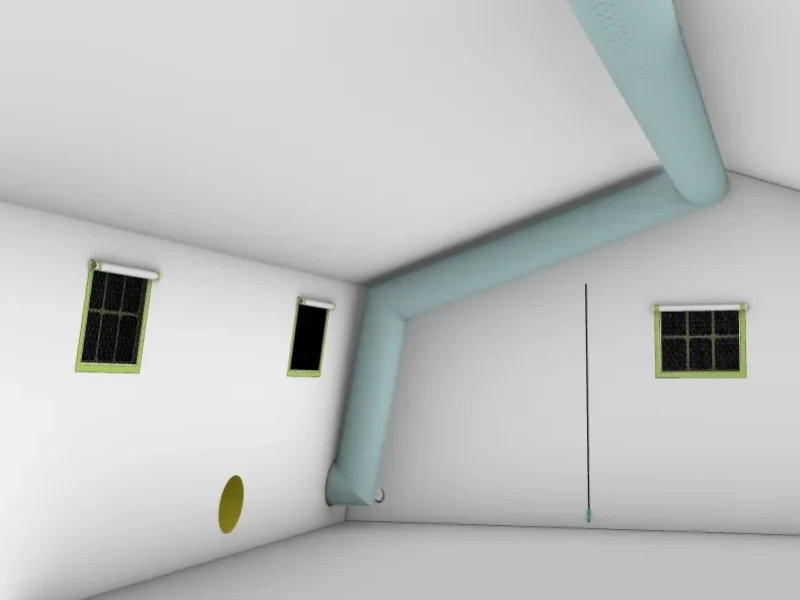
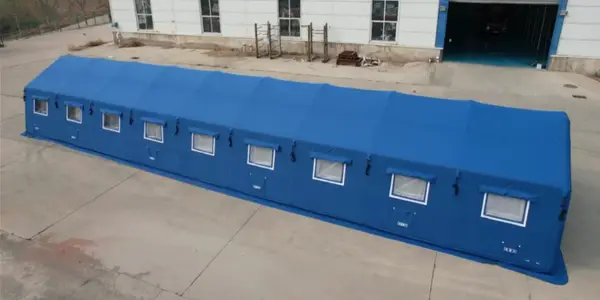
The inflatable inverts the scheme: air pressure pre-tensions fabric tubes into compression members, so the structure exists only while the pressure regime holds. That single fact organizes every later trade, because an inflatable gains deployment speed from its geometry-in-a-bag nature and accepts a pressure-maintenance duty in exchange, while the frame gains indifference to pumps and gauges at the cost of member logistics.
Both families span the shelter market from camping to military programs, Hybrid designs blur the line at the edges, with framed inflatables and pressure-assisted frames appearing in specialty catalogs; procurement teams should treat them as their own category with their own maintenance lists, and this comparison applies cleanly only when a program is choosing between the two pure families.
and the tent structures overview places them among the frame, pole, and pressure categories that procurement actually meets.
Setup Speed and Crew Size
The inflatable wins the clock race on large spans. A big tube structure unrolls, connects to a blower, and rises as a unit, with crew counted in twos and threes and the critical skill being sequencing the inflation ports; field programs quote deployment times in minutes per hundred square meters for exactly this reason.
The aluminum frame scales linearly with size instead of logarithmically. Small frames go up quickly with practiced crews, but the member count grows with span, and every joint is a two-hand operation; the offset is predictability, because a frame rises the same way in still air and in gusts, while an inflatable’s final shaping wants a calmer window or a disciplined crew on the envelope.
Crew training flips the comparison over a season.Mixed fleets are a legitimate answer rather than a failure to decide. A program that runs one fast-reaction inflatable for first-deployment shelter plus frame structures for the durable camp gets the clock benefit of the first and the simplicity of the second, and several suppliers, including SUNSHINE’s two lines, build both families so a mixed fleet shares anchor hardware and documentation conventions.
Inflation sequencing is learned in an afternoon; frame crews develop a rhythm that keeps improving for years, and programs with rotating volunteers often prefer the structure whose speed depends less on the crew of the day.
Weight, Transport, and Site Access
Frames travel as bundled members: dense, stackable, and indifferent to compression, but long. A frame package can exceed site access limits in urban rubble or narrow gates, where member length, not total weight, is the binding constraint, and where the inflatable’s soft package wins by folding into a truck bed that a member bundle cannot fit.
Inflatables travel light per covered square meter but travel delicately. The fabric envelope wants clean stowage away from sharp cargo, the blower and its fuel or power add their own logistics tail, and the pressure gauges and repair kit complete a kit list that is lighter than a frame’s yet longer; transport planning for an inflatable is kit planning, and for a frame it is load planning.
Wind Behavior and the Failure Modes
Wind treats the two structures differently before it damages either. The frame sheds load through its joints into members and finally into anchors, and its failure mode tends toward progressive and visible, a bent member or a slipped joint that inspection catches early.
The inflatable presents a smoother envelope to the wind and flexes with gusts, which lowers peak loads but trades visibility for vigilance: the pressure regime is part of the structure, so wind safety includes chamber monitoring, not just anchor checks. Anchor geometry carries the safety case in both families, and programs that deploy in storm regions should read the wind chapters of both product lines before pricing either, starting with the rapid-deployment aluminum frame line and the inflatable field shelter line.
Repair and Cost Over the Program Life
Field repair favors the frame by a narrow but real margin. A bent member can be splinted, a joint pinned, and the structure stood at reduced span; the parts are discrete, the fixes are mechanical, and a competent crew improvises safely within the member system.
Inflatable repair is patch chemistry: clean, dry, tension-free fabric and a curing window, which the mission clock does not always grant. Pinhole patches are routine for trained crews, but chamber-separation damage retires the structure for the mission, so programs weigh a spare-envelope policy the way frame programs weigh a spare-member rack.
Purchase price tells a third of the story. Frames cost more up front per span in many markets, age slowly, and repair in cheap discrete parts; inflatables often enter cheaper, but the program pays a running bill in blower maintenance, patch stock, and eventual envelope replacement, and the crossover year depends on deployment frequency more than on any sticker.
Dispose of both honestly at end of life. Insurance and inspection regimes close the ledger. Frames inspect visually member by member, which most third-party inspectors prefer, while inflatables increasingly document integrity through pressure-hold records, so programs under audit should confirm which evidence their certifier accepts before the purchase rather than after the first renewal. A frame’s members recycle as metal with value; an envelope retires as coated fabric, and programs with sustainability reporting now carry that line item in the total cost of ownership where it always lived anyway.
One Judgment Sentence per Program
Disaster-relief programs that redeploy weekly under trained crews trend inflatable for the speed per square meter, and the training investment amortizes across every minute saved at every launch.
Long-dwell installations, base camps, and programs with unskilled rotating labor trend aluminum frame for the indifference to pumps and the mechanical repair path. Weekend and seasonal events split on transport: tight access favors the soft package, truck access favors the member bundle, and the custom outdoor inflatable line alongside the full products catalog spans both sides of that fork for teams that want one supplier across a mixed fleet.
FAQ
Which goes up faster?
Large inflatables win on speed per square meter because the structure rises as a unit. Small frames close the gap with practiced crews and keep their pace in gusty windows.
Which handles wind better?
Both live and die by anchoring. Frames fail progressively and visibly; inflatables flex through gusts but include the pressure regime in their safety case, so both demand the same anchor discipline with different monitoring lists.
Which is easier to repair in the field?
Frames repair mechanically with discrete parts. Inflatable patches work well on clean fabric with curing time, but chamber damage ends the mission for that shelter.
Which costs less over five years?
It depends on deployment frequency. Frequent redeployments amortize an inflatable despite its running costs; long-dwell sites amortize a frame despite its higher purchase price.Storage between deployments belongs in the same ledger. Frame members stack in ordinary warehouse racks and forgive neglect; envelopes want clean, dry, rodent-free stowage with the fold pattern rotated, so a program’s storage reality sometimes makes the deployment math moot before the first mission.